A conversation with leading housing policy researcher Dr. Carolyn Whitzman highlighted the importance of non-market housing, shared government responsibility and community-led approaches to creating more equitable housing systems in Canada.
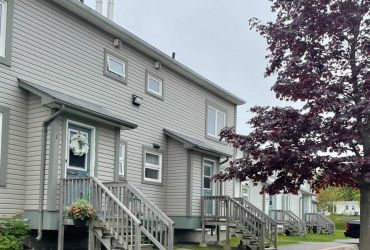
As a part of HOME-RL's fourth pillar, Establish training & experiential education opportunities for senior undergraduate and graduate students, Dr. Woodhall-Melnik's fourth-year Community-Based Research students engaged with a local housing co-op, the Range Cooperative Housing, to better understand the experiences of individuals and households living in cooperative housing. Cooperative housing is non-profit, affordable housing, that allows members to pay a membership fee which would cover their housing and maintenance costs. Housing coops are run by the residents, emphasizing autonomy.
To support their learnings, the students read and discussed Dr. Carolyn Whitzman’s book, Home Truths: Fixing Canada's Housing Crisis. Dr. Whitzman, a leading housing and social policy researcher, agreed to pay a virtual visit to the class and answer questions from the students and members of the HOME-RL lab. Here are the lessons taken away from this conversation:
Lesson 1: The Value of Cooperative Housing
Dr. Whitzman began by sharing her own experience of living in a housing cooperative. She spoke warmly about non-market housing and the strong sense of community that co-ops can create. She also highlighted the quality of the units and, most importantly, the affordability that cooperative housing can provide, highlighting the unique role of non-market housing in alleviating some of the housing crisis.
Lesson 2: Who is to blame for the Housing Crisis?
In short, all three levels of government bear responsibility for the current housing crisis. Dr. Whitzman noted that housing cannot be separated from other systems such as health care, governmental support, and social services. When social assistance rates fall far below the cost of living, housing insecurity, and rates of illness grow, leading to an overall decrease in quality of life. Gaps in tenant protections, minimum income support, and a lack of adequate access to health and social services all contribute to the crisis. Therefore, Dr. Whitzman highlights that addressing housing challenges requires coordinated action through municipal, provincial, and federal governments, one that extends beyond housing alone.
Lesson 3: Learning from Indigenous-led Models
In her book, Dr. Whitzman explored Indigenous-led housing initiatives as promising solutions to the crisis. Dr. Whitzman pointed to Kikékyelc, a housing model supporting young people who have aged out of care, as an example of culturally grounded and intergenerational Indigenous housing. She also highlighted Senáḵw, a major 6000-unit housing development led by the Squamish Nation on Indigenous land, which is creating rental units through Indigenous governance and planning systems, and is in no doubts much more affordable than housing in the rest of British Columbia.
Lesson 4: The Role of Students as Emerging Researchers
Dr. Whitzman emphasized that historically, housing research was narrow in scope and has been shaped by a limited range of voices. There is a growing need for more diverse lived experiences in housing conversations, one that can be brought on by students—especially international students whose realities are often overlooked in housing research and data. By participating in research, advocacy, and community partnerships, students can help reshape housing policy and bring forward new perspectives that reflect the experiences of a population that was long left out of the housing conversation.
Lesson 5: Why Nordic Countries?
Much of Home Truths touches on Nordic countries and their housing systems. Dr. Whitzman explained that these countries offer insight into what strong tenant protection and balanced rates of renting vs. homeownership would look like in wealthy countries. Unlike many English-speaking countries—notably Canada, the United States, Australia, New Zealand, the United Kingdom and Ireland—Nordic Countries treat renting as a stable long-term option for folks of all different income brackets. This creates flexibility, security, and healthier living for tenants and homeowners alike!
Lesson 6: What About Rural Communities in New Brunswick?
The realities of smaller provinces like New Brunswick, especially the rural communities within an already small province, have long been omitted from the housing conversation. Dr. Whitzman noted that rural communities may benefit from close social ties that can support housing development. However, rural areas also face a lack of infrastructure and limited financial resources allocated to them. In New Brunswick, local governments have a unique opportunity to take on a larger coordination role. The larger cities, such as Saint John, Moncton, and Fredericton, are all well-positioned to help lead housing initiatives when supporting provincial funding and federal resources.
Ultimately, through this conversation with Dr. Whitzman, students of SOCI4379: Community-Based Research continued to build a deeper understanding of systems effecting the housing crisis, actors responsible for change, and community models that can guide future change.
By Ghazal Motamedi
Ghazal (she/her) is a Bachelor of Health (Honours) student at UNB. Her research interests are in the social determinants of health and the intersection of housing and reproductive health.